
Unlock Success: Planning Your Premier Corporate Event in Bali

marcell
January 29, 2026
17 min read
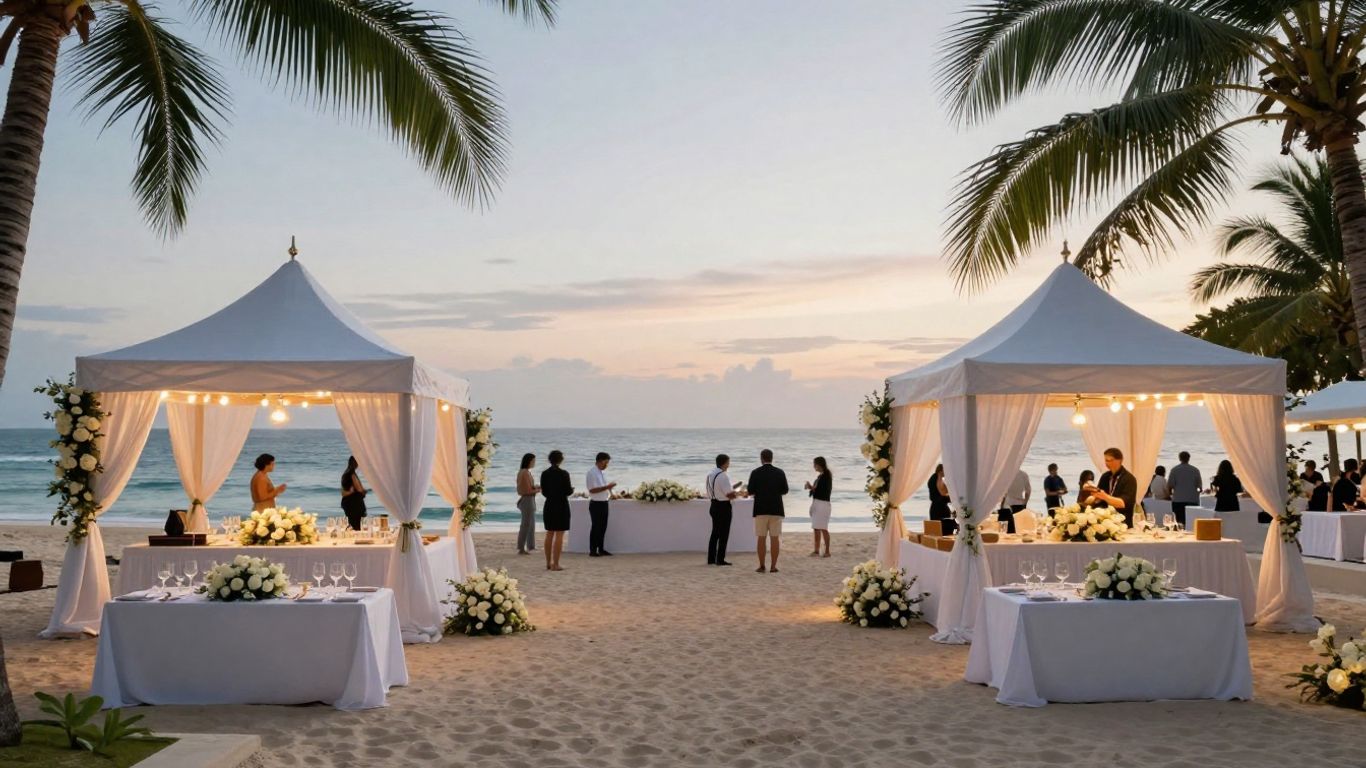
Planning a corporate event in Bali can feel like a big task, right? You want everything to go off without a hitch, but there are so many moving parts. From picking the right spot to making sure everyone gets where they need to be, it’s a lot to handle. This guide breaks down how to make your corporate event Bali experience smooth and successful, focusing on what really matters.
Key Takeaways
- Using a destination management company (DMC) in Bali simplifies complex event planning, turning it into a well-run experience by handling local details and risks.
- Strategic planning involves understanding your event’s goals and audience, choosing the right venue and program, and managing suppliers and on-site operations carefully.
- Bali can host various event types, like conferences, retreats, and team-building activities, with a DMC helping to tailor them to your specific business needs.
- Focusing on the participant’s journey, from arrival to departure, with good on-site support, creates a positive and professional experience for everyone involved.
- Integrating local culture respectfully and using local knowledge adds authenticity to your corporate event Bali, making it more meaningful and memorable.
Leveraging Destination Management Companies for Corporate Events in Bali
Planning a big corporate event in a place like Bali can feel like trying to juggle a dozen flaming torches while riding a unicycle. It’s a lot. You’ve got flights, hotels, local vendors, maybe some cultural dos and don’ts you’re not even aware of, not to mention making sure your actual business goals don’t get lost in the shuffle. This is where a Destination Management Company, or DMC, really steps in. Think of them as your local guides and expert organizers rolled into one.
Transforming Complex Projects into Seamless Experiences
Basically, a DMC takes all that potential chaos and turns it into a smooth operation. Instead of your team spending weeks trying to book the right transport, find a caterer who understands dietary needs, or figure out permits, the DMC handles it. They’ve already got the relationships and the know-how. They are the ones who make the complicated look easy.
Here’s a quick look at what they manage:
- Logistics: From airport pickups to getting everyone to the venue on time, every single day.
- Vendor Management: Booking and overseeing hotels, restaurants, activity providers, and technical crews.
- Risk Mitigation: Dealing with unexpected issues, like weather changes or last-minute venue problems.
- Budget Oversight: Keeping track of expenses and making sure you’re getting good value.
Working with a DMC means your internal team can actually focus on what they’re supposed to be doing – like planning the content of your conference or enjoying the retreat – instead of getting bogged down in the nitty-gritty of event execution. It frees up your people and reduces stress all around.
Elevating Event Quality and Impact
It’s not just about making things run smoothly; it’s about making the event better. A good DMC knows Bali inside and out. They know the best spots for a welcome dinner that feels authentically Balinese, or the perfect quiet villa for a strategy session. They think about the participant’s entire journey, from the moment they land to the moment they leave.
- Participant Experience: Designing arrival processes, comfortable accommodations, and engaging on-site activities.
- Atmosphere Creation: Using the unique Bali setting to add a special feel to your event, whether it’s a formal conference or a relaxed team-building day.
- Professional Polish: Ensuring that every detail, from signage to staff interactions, reflects well on your company.
Unlocking Bali’s Potential with Local Expertise
Bali has so much to offer, but you need to know how to tap into it. A DMC has those local connections and cultural insights. They can help you incorporate local traditions respectfully, find unique venues that aren’t in the standard tourist guides, and make sure your event feels truly special and connected to the island. They bridge the gap between your company’s objectives and the rich possibilities of the destination, making your corporate event in Bali something truly memorable and effective.
Strategic Planning for Your Corporate Event Bali
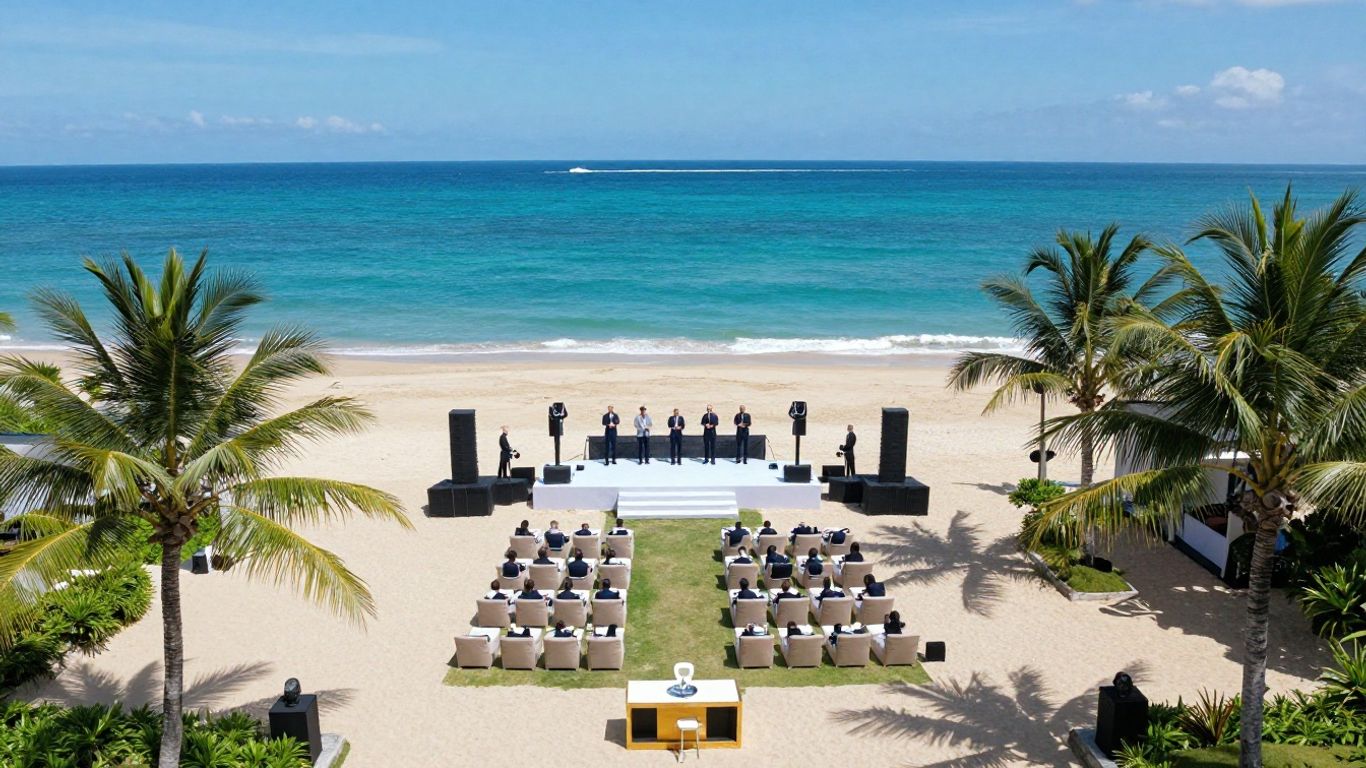
Getting your corporate event in Bali right means more than just booking a nice venue. It’s about making sure the whole thing actually helps your business goals. You need to think about what you want to achieve and who’s coming.
Understanding Event Goals and Audience Profiles
Before anything else, sit down and figure out why you’re having this event. Is it to train staff, launch a new product, or maybe reward your top performers? Knowing your main objective is the first step. Then, think about the people attending. What are their expectations? What’s their general vibe? Are they looking for serious business sessions, or more relaxed networking opportunities? Tailoring the event to your audience makes it much more likely to be a success.
Here’s a quick way to think about it:
- Objective: What’s the one big thing you want to get out of this event?
- Audience: Who are these people, and what do they need/want from the experience?
- Key Message: What’s the main takeaway you want everyone to leave with?
Planning without a clear purpose is like setting sail without a map. You might end up somewhere interesting, but it’s probably not where you intended to go.
Venue Selection and Program Design
Once you know your goals and audience, you can start looking at places. Bali has tons of options, from fancy resorts to more unique spots. The venue needs to fit your event’s style and needs. Think about how many people will be there, what kind of setup you need (like presentation rooms or breakout areas), and what the overall atmosphere should be. After picking a venue, you design the actual program. This means deciding on the schedule, the activities, and the flow of the event. It’s about creating a balance between business sessions, breaks, meals, and any social activities.
Supplier Coordination and On-Site Management
This is where things can get complicated fast. You’ll need to work with various local suppliers – think caterers, AV technicians, transportation providers, and maybe even entertainment. A good plan involves picking reliable partners and making sure everyone knows their role and the schedule. On the ground, you need people who can manage everything as it happens. This means handling any unexpected issues that pop up, keeping things on time, and making sure your guests are looked after. Having a dedicated team on-site makes a huge difference in how smoothly everything runs.
| Aspect | Key Considerations |
|---|---|
| Venue | Capacity, facilities, location, ambiance, technical support |
| Program | Agenda flow, session timing, activity balance, breaks |
| Suppliers | Reliability, quality, communication, contract terms |
| On-Site Staff | Roles, responsibilities, communication channels, problem-solving |
| Contingency Plan | Backup options for weather, tech issues, staffing |
Diverse Corporate Event Formats in Bali
Bali really can host just about any kind of corporate event you can think of. It’s not just for beach parties, though those are great too! The island’s flexibility means you can tailor your event to hit specific business goals while still giving everyone a memorable experience.
Conferences, Meetings, and Product Launches
When you’re planning something formal, like a big conference, a crucial executive meeting, or a new product reveal, the details matter. A good local partner will handle all the venue setup, the tech gear, making sure people move around smoothly, and keeping everything on schedule.
- Venue Selection: Finding a spot that fits your brand and the event’s size.
- Technical Production: Making sure sound, lighting, and presentations work perfectly.
- Delegate Flow: Guiding attendees from one session to the next without a hitch.
Even with serious business on the agenda, Bali’s unique vibe can make the event stand out. The trick is to use the location’s character to add something special without taking away from your main message. Think about how the space feels, the subtle touches that make it feel like Bali, all while keeping the focus sharp.
Corporate Retreats and Incentive Programs
Bali is a fantastic spot for retreats where your team can get away, think big picture, and recharge. The natural beauty and relaxed atmosphere are perfect for strategic planning and getting everyone on the same page.
- Balancing Business and Leisure: Mixing focused work sessions with downtime and fun activities.
- Team Alignment: Using the retreat to strengthen bonds and clarify company goals.
- Reward and Recognition: Designing incentive trips that make top performers feel truly valued.
These programs are about more than just a vacation; they’re designed to motivate, build loyalty, and create positive memories tied to your company. It’s about making people feel appreciated and connected.
Events with Integrated Team Experiences
Many companies want to add activities that help their teams connect and work together better. This could be anything from a fun workshop to a cultural activity or even some light team-building exercises.
The key is to weave these experiences into the main event schedule so they feel natural and add value, rather than just being an extra thing to do. It’s about finding that sweet spot where business objectives meet genuine connection.
When planned right, these activities can boost collaboration and allow for informal chats that might not happen in a formal meeting. A local expert can make sure these team elements fit well with the overall event, considering the energy levels of the group and the main purpose of the gathering. The goal is a well-rounded event that strengthens relationships and reinforces company messages.
Ensuring a Seamless Participant Journey
Getting everyone from point A to point B, and making sure they feel looked after the whole time, is a big part of any event. It’s not just about the main sessions; it’s about the whole experience from the moment they land.
Managing Arrivals and Accommodation
When your team arrives in Bali, the last thing you want is confusion at the airport or trouble finding their rooms. We sort out airport greetings, making sure there’s a friendly face and clear directions. Transportation to their hotels is arranged, so it’s a smooth transition. We also work with hotels to make check-in as quick as possible, sometimes even pre-assigning rooms or having welcome packs ready.
- Pre-event communication: Sending out clear details about arrival times, airport procedures, and hotel information well in advance.
- Airport meet-and-greet: Dedicated staff to welcome attendees and guide them to transport.
- Efficient transfers: Coordinated shuttles or private cars to hotels.
- Streamlined check-in: Working with hotels to expedite the process.
On-Site Support and Event Execution
Once everyone is settled, the event itself needs to run without a hitch. This means having people on the ground who know what’s happening and can handle any little issues that pop up. We set up help desks or have event staff available throughout the day and evening. They’re there to answer questions, help with directions, or sort out any unexpected problems, like a last-minute change to a schedule or a technical glitch.
The goal here is to make everything feel effortless for the attendees. They shouldn’t have to worry about the logistics; they should be able to focus on the event’s purpose and enjoy their time in Bali.
Creating a Professional and Engaging Experience
Beyond just logistics, the participant journey is about how people feel during the event. This includes everything from clear signage at the venue to making sure catering is readily available and enjoyable. We think about the flow of the day – are there comfortable spaces for people to relax? Is the information they need easy to find? A well-managed journey makes attendees feel valued and respected, which directly impacts their overall impression of the event and your company.
| Aspect of Journey | Key Considerations |
|---|---|
| Information Access | Easy-to-find schedules, maps, and contact details |
| Comfort | Adequate seating, rest areas, and climate control |
| Engagement | Opportunities for networking and interaction |
| Problem Solving | Readily available support staff for assistance |
Cultural Integration and Local Expertise for Events
When you’re planning a corporate event in Bali, it’s not just about booking a venue and arranging catering. The island has a rich culture, and understanding it makes a big difference. Ignoring local customs can lead to awkward situations or even cause offense, which is the last thing you want for your event.
Respecting Local Customs and Traditions
Bali is a place where traditions are deeply woven into daily life. This means things like religious ceremonies, local holidays, and community etiquette are important. A good event planner, especially one with local knowledge, will know how to navigate these. They’ll make sure your event doesn’t clash with important local events or disrespect any cultural practices. This might involve simple things like understanding dress codes for certain areas or knowing when it’s appropriate to schedule certain activities.
Here are a few things to keep in mind:
- Religious Observances: Be aware of Hindu holy days and ceremonies. Some areas might have restrictions on noise or activity during these times.
- Community Etiquette: Understand basic greetings and respectful behavior. Small gestures can go a long way in showing you value the local culture.
- Local Holidays: Bali has its own calendar of holidays. Knowing these can help you avoid scheduling conflicts and potentially even incorporate local celebrations if appropriate.
Thoughtful Integration of Cultural Elements
It’s not just about avoiding problems; it’s also about adding something special. Integrating Balinese culture thoughtfully can make your event much more memorable and meaningful for your guests. This doesn’t mean turning your conference into a traditional dance performance, but rather finding subtle ways to weave in local flavor.
Think about:
- Welcome Receptions: Instead of a standard cocktail hour, perhaps offer local delicacies or have a small, tasteful Balinese music ensemble play.
- Gifts: Consider sourcing locally made crafts or products as thank-you gifts for attendees.
- Decor: Use local artistic styles or natural materials in your event’s design, but keep it professional and aligned with your brand.
- Food: Incorporate authentic Balinese dishes into your catering menu, perhaps with a tasting station or a special themed dinner.
Enhancing Authenticity and Depth
When done right, cultural integration makes your event feel more genuine. It shows your attendees that you’ve put thought into the experience beyond just the business agenda. This can create a stronger connection between your guests and the destination.
Working with local experts is key here. They understand the nuances that outsiders might miss. They can help you find authentic experiences, connect you with local artisans or performers, and ensure that any cultural elements are presented respectfully and accurately. This partnership helps create an event that feels both professional and deeply rooted in the spirit of Bali.
For example, instead of just booking a generic ‘cultural show’, a local expert might arrange for a private viewing of a traditional craft being made, followed by a discussion with the artisan. This provides a much richer and more authentic experience for your participants.
Logistics, Operations, and Supplier Management
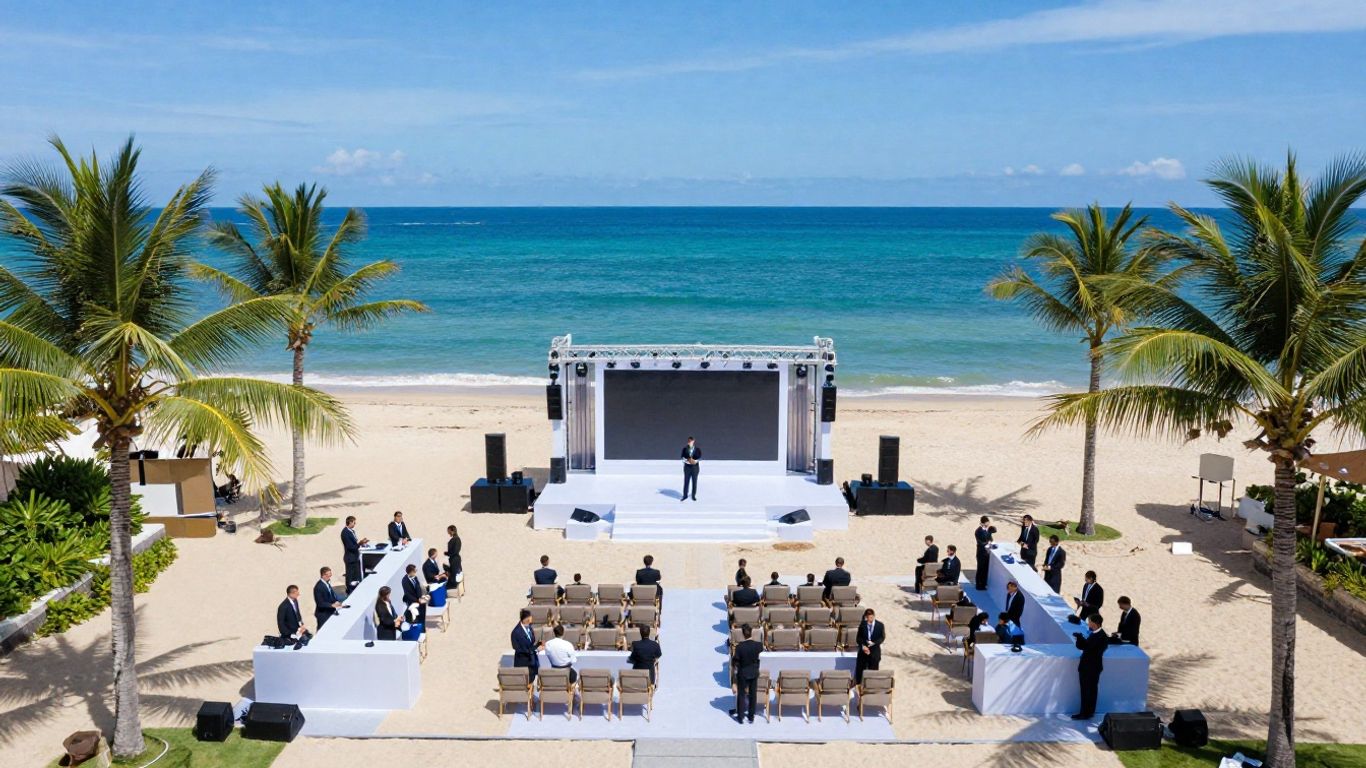
Planning a corporate event in Bali means juggling a lot of moving parts. You’ve got transportation to sort out, places for everyone to stay, the technical side of things like sound and screens, food and drinks, and even local permits. It can get pretty complicated, fast.
The key is to have a solid plan and reliable partners.
Here’s a breakdown of what goes into making sure everything runs like clockwork:
- Coordinating Transportation and Accommodation: This involves arranging airport transfers, shuttles between venues, and ensuring hotel bookings are accurate and comfortable for all attendees. Think about group bookings versus individual needs.
- Technical Production and Catering: From setting up microphones and projectors for presentations to planning menus that suit diverse tastes and dietary needs, this requires careful planning and trusted vendors.
- Ensuring Quality Control and Reliability: Working with local suppliers means vetting them thoroughly. You need to know they can deliver consistently, meet deadlines, and handle any issues that pop up.
It’s not just about booking services; it’s about integrating them. A good event planner acts as the central hub, communicating with all these different suppliers. This way, you’re not chasing down multiple people. Instead, you have one point of contact who manages the whole operation.
Managing the day-to-day operations requires constant attention. This includes overseeing setup, managing schedules in real-time, and being ready to solve problems before they impact the event. Having an on-site team that knows the local landscape is invaluable for quick, effective solutions.
For example, imagine you need to move 100 people from their hotels to a dinner venue across town. This requires coordinating multiple vehicles, confirming pick-up times, and having a backup plan if traffic is bad. Or consider catering for a gala dinner: you need to confirm the menu, dietary restrictions, service staff, and timing with the venue and the caterer.
Here’s a quick look at some typical supplier needs:
| Service Category | Key Considerations |
|---|---|
| Transportation | Vehicle types, capacity, driver availability, routes |
| Accommodation | Room blocks, check-in/out procedures, amenities |
| Audio-Visual | Equipment needs, technical support, setup time |
| Catering | Menu selection, dietary needs, service style, timing |
| Entertainment | Performer availability, technical riders, scheduling |
| Local Permits/Licenses | Application process, timelines, specific requirements |
Making sure everything runs smoothly, from getting our drones ready to delivering an amazing show, is super important. We handle all the details so you don’t have to worry. Think of us as your go-to team for making sure the show happens without a hitch, from start to finish. Want to see how we manage the magic behind the scenes? Visit our website to learn more about our process!
Ready to Make Your Bali Event a Reality?
So, planning a big corporate event in Bali might seem like a lot, but it doesn’t have to be a headache. By teaming up with the right local experts, you can take all the stress out of the details. Think of them as your go-to guides for everything from finding the perfect spot to making sure everyone has a great time. They handle the nitty-gritty so you can focus on what really matters – your business goals and connecting with your team. Bali offers so much more than just a pretty backdrop; it’s a place where you can create an event that’s both productive and truly memorable. Get ready to impress your attendees and achieve great things.
Frequently Asked Questions
What’s the main benefit of using a local event planner in Bali?
Using a local event planner, also called a Destination Management Company (DMC), is like having a super-smart guide for your event. They know Bali inside and out, like where the best spots are and how things work there. This makes planning much easier and helps your event run super smoothly, avoiding common problems.
How do event planners help make corporate events better?
Event planners focus on making your event special for everyone attending. They think about how people arrive, where they stay, and what they do during the event. Their goal is to make sure everyone has a great time and feels well taken care of, which makes the event more successful and memorable.
Can event planners help with different kinds of corporate events?
Absolutely! Whether you’re planning a big conference, a small meeting, a fun team-building retreat, or a special awards ceremony, event planners can help. They know how to plan different types of events to fit exactly what you need.
Why is it important to think about Bali’s culture when planning an event?
Bali has a rich culture with unique traditions and customs. It’s important to be respectful of these. Event planners help make sure your event fits in well with the local culture, making it more authentic and showing respect to the community. This makes your event feel more genuine.
What kind of practical things do event planners handle?
They handle all the nitty-gritty details! This includes arranging how people get around (like airport transfers and local transport), booking hotels, setting up sound and lights for presentations, organizing delicious food, and making sure everything runs on time. They manage all these moving parts so you don’t have to.
How far in advance should I start planning my event in Bali?
It’s best to start planning early, especially for bigger events. For large conferences or retreats, aiming for about six months to a year ahead is a good idea. This gives you plenty of time to find the best locations, book reliable suppliers, and make sure every detail is perfect for a successful event.