
Engaging Your Audience with Sustainable Event Entertainment: A Modern Guide

marcell
December 25, 2025
19 min read
Thinking about making your next event a little greener? It’s a smart move. People are paying more attention to how events impact the planet, and honestly, it just makes sense to try and do better. This guide is all about how to make your events more sustainable, focusing on that sweet spot where fun and eco-friendliness meet. We’ll look at how to pick the right spots, work with good people, and even how to make sure your guests are on board with the whole idea. Let’s get your event planning on a more sustainable track.
Key Takeaways
- Choosing venues and suppliers who already have strong eco-friendly practices in place is a great starting point for sustainable event entertainment.
- Supporting local businesses and communities not only reduces travel emissions but also adds an authentic touch to your event.
- Designing your event with local experiences and responsible food sourcing in mind can significantly cut down on waste and boost community connections.
- Using energy-efficient lighting and smart climate control can make a big difference in your event’s overall energy footprint.
- Clearly communicating your sustainability goals and perhaps offering small incentives can get your audience involved and excited about eco-conscious choices.
Understanding The Importance Of Sustainable Event Entertainment
The Growing Demand For Eco-Conscious Events
Okay, so let’s talk about why this whole sustainability thing for events isn’t just a passing fad. People are genuinely starting to care more about where their money goes and what kind of impact their choices have. This means events, whether they’re big conferences or small gatherings, are under a microscope. Attendees are looking for more than just a good time; they want to feel good about the event they’re attending. They’re asking questions like, ‘Is this event trying to be better for the planet?’ or ‘Does it support the local community?’ If your event doesn’t show some effort in these areas, you might find people choosing something else. It’s becoming a real differentiator.
- Attendees are more informed than ever. They research brands and events, looking for alignment with their personal values.
- Social media amplifies both good and bad practices. A poorly managed event can quickly gain negative attention.
- Corporate clients are setting sustainability targets. This trickles down, making eco-friendly events a requirement, not an option.
The shift towards sustainable event planning is more than just an environmentally friendly choice. It’s a strategic decision that promises widespread benefits, creating value for the environment, the economy, the brand, and the event attendees.
Sustainability As A Core Business Practice
Thinking about sustainability just for one event is like putting a band-aid on a bigger issue. The real win comes when it’s woven into the fabric of how your business operates all the time. This means looking at everything from your office’s energy use to how you choose your suppliers for every project. When sustainability is a core practice, it’s not an afterthought; it’s part of the planning from day one. This makes it way easier to implement across the board and shows a genuine commitment, not just a one-off effort. It also often leads to smarter, more efficient ways of doing things, which can save money in the long run. Think about reducing waste – less waste means lower disposal fees and potentially less need to buy new materials.
Aligning With Global Environmental Goals
We’re all part of a bigger picture, right? The world has set some pretty ambitious goals to tackle climate change and protect our planet. Events, especially larger ones, can have a significant footprint. By making your events more sustainable, you’re actively contributing to these global efforts. It’s about doing your part, however small it might seem. This could involve reducing carbon emissions, conserving water, or minimizing waste. When events align with these larger objectives, they gain a sense of purpose that goes beyond just the immediate experience. It shows that the organization is thinking long-term and responsibly.
| Goal Area | Event Impact Reduction Strategy |
|---|---|
| Carbon Emissions | Prioritize local suppliers, encourage public transport, offset flights |
| Waste Generation | Implement comprehensive recycling and composting programs, reduce single-use items |
| Resource Consumption | Use digital materials, opt for energy-efficient lighting and AV equipment |
| Biodiversity Impact | Choose venues with conservation efforts, avoid single-use plastics |
Partnering For Purposeful Event Experiences
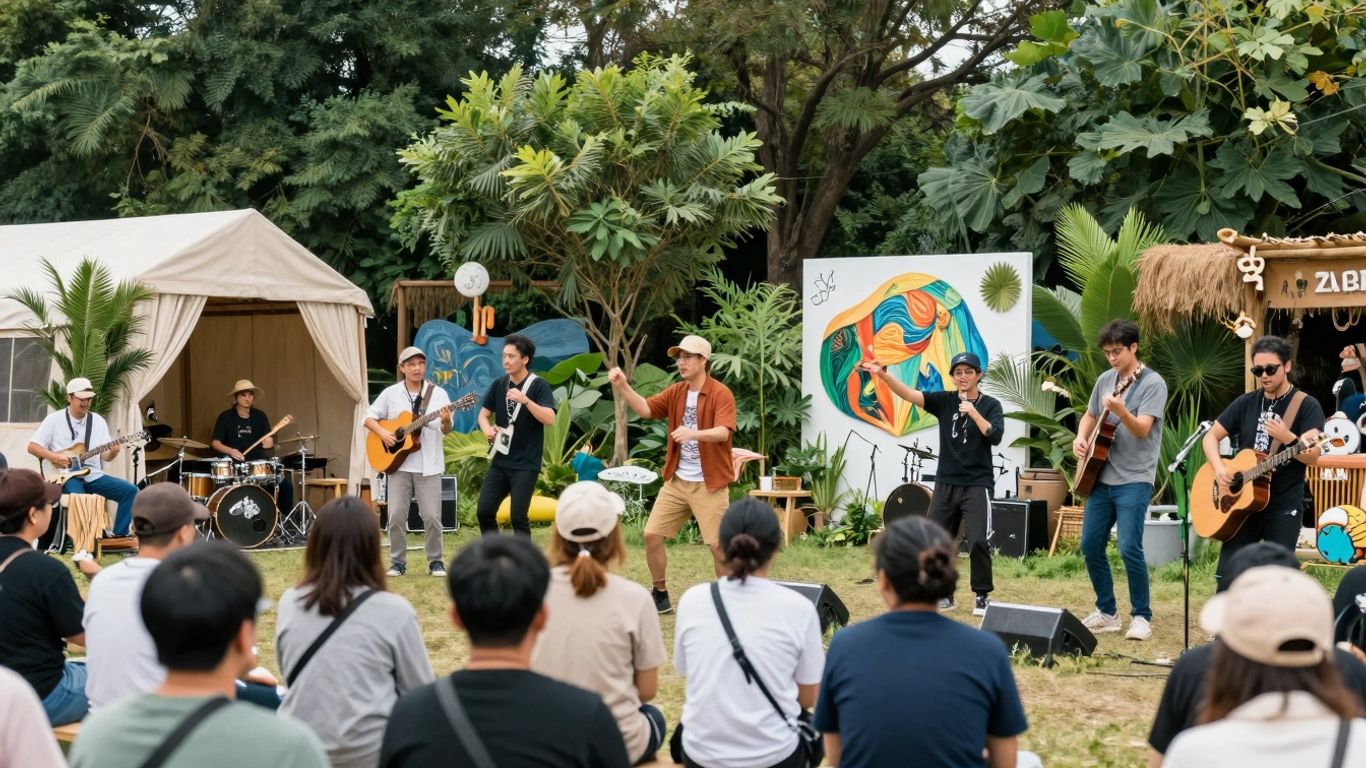
When planning an event, who you choose to work with matters. Your partners are basically an extension of your event’s message and values. Picking the right ones can make a big difference in how sustainable your event actually is.
Selecting Venues With Strong Sustainability Credentials
Finding a venue is usually one of the first big steps. If sustainability is a priority, this choice gets a bit more involved. Look for places that are already doing good things for the environment. This could mean they use renewable energy, have smart waste management systems, conserve water, or are easy to get to using public transport. A venue that’s serious about these things will usually have certifications to show for it. It’s a good sign they’re committed.
Prioritizing Local Suppliers And Communities
Working with local businesses is a smart move for a few reasons. For starters, it helps the local economy, which is a big part of social sustainability. Plus, it often means fresher food and more authentic experiences for your attendees. Think about catering, decorations, or even entertainment – sourcing these locally cuts down on transportation emissions too. It’s a win-win: good for the planet and good for the community.
Choosing Vendors Who Share Your Eco-Values
It’s not just the venue and local suppliers. Every vendor you bring on board can impact your event’s footprint. This includes everything from your AV team to your transportation providers. It’s important to talk to potential vendors about their own sustainability practices. Ask them what they’re doing to reduce waste, conserve energy, or use eco-friendly materials. If they don’t have clear answers or seem uninterested, it might be a sign they’re not the right fit for a sustainable event. You want a team that’s on the same page.
Here’s a quick checklist for vetting vendors:
- Ask about their waste reduction policies.
- Inquire about their energy and water usage.
- See if they use recycled or sustainable materials.
- Check if they have local sourcing practices.
Building a network of partners who genuinely care about sustainability can transform your event from just another gathering into a positive force for change. It requires a bit more effort upfront, but the long-term benefits for your event and the planet are significant.
Designing Engaging And Impactful Events
Curating Authentic Local Experiences
When planning an event, think about how you can make it feel special and connected to the place it’s happening. This isn’t just about booking a band; it’s about weaving the local flavor into the whole experience. Imagine inviting local artists to display their work, or having craftspeople demonstrate traditional skills. You could even organize a short workshop where attendees learn a bit of local history or a regional craft. The goal is to create moments that feel genuine and memorable, not just for the attendees, but also for the community you’re visiting. This approach supports local talent and gives your event a unique character that generic entertainment just can’t match.
Responsible Food Sourcing And Waste Management
Food at events is a big deal, and it’s also a huge source of waste. Let’s get smarter about it. Start by asking your caterers where their ingredients come from. Prioritizing seasonal, locally grown produce cuts down on transport emissions and supports local farmers. It often tastes better too! When it comes to leftovers, don’t just let them go to waste. Set up a system to donate any untouched, surplus food to local shelters or food banks. This makes a real difference in the community.
Here’s a quick look at how to approach food waste:
- Plan Portions Wisely: Work with your caterer to estimate guest numbers accurately and avoid over-ordering.
- Embrace ‘Ugly’ Produce: Sometimes perfectly good fruits and vegetables are discarded for cosmetic reasons. Use them!
- Compost What You Can: Set up composting for food scraps if your venue allows.
- Donate Safely: Establish clear guidelines for donating safe, edible food.
Thinking about food means thinking about people and the planet. It’s about making sure everyone is fed well, and that we’re not throwing away good resources.
Leveraging Technology For Sustainable Decor
Decor can really set the mood for an event, but traditional decorations often end up in the trash. Technology offers some cool alternatives. Instead of single-use banners, consider using digital screens that can display dynamic content and be updated easily. Projection mapping can transform a space without any physical materials. For lighting, think about LED options that use much less energy. Even simple things like using reusable signage or renting decor items instead of buying new can make a big difference. It’s about being creative and finding ways to make your event look great without creating a mountain of waste afterwards.
Maximizing Energy Efficiency In Event Planning
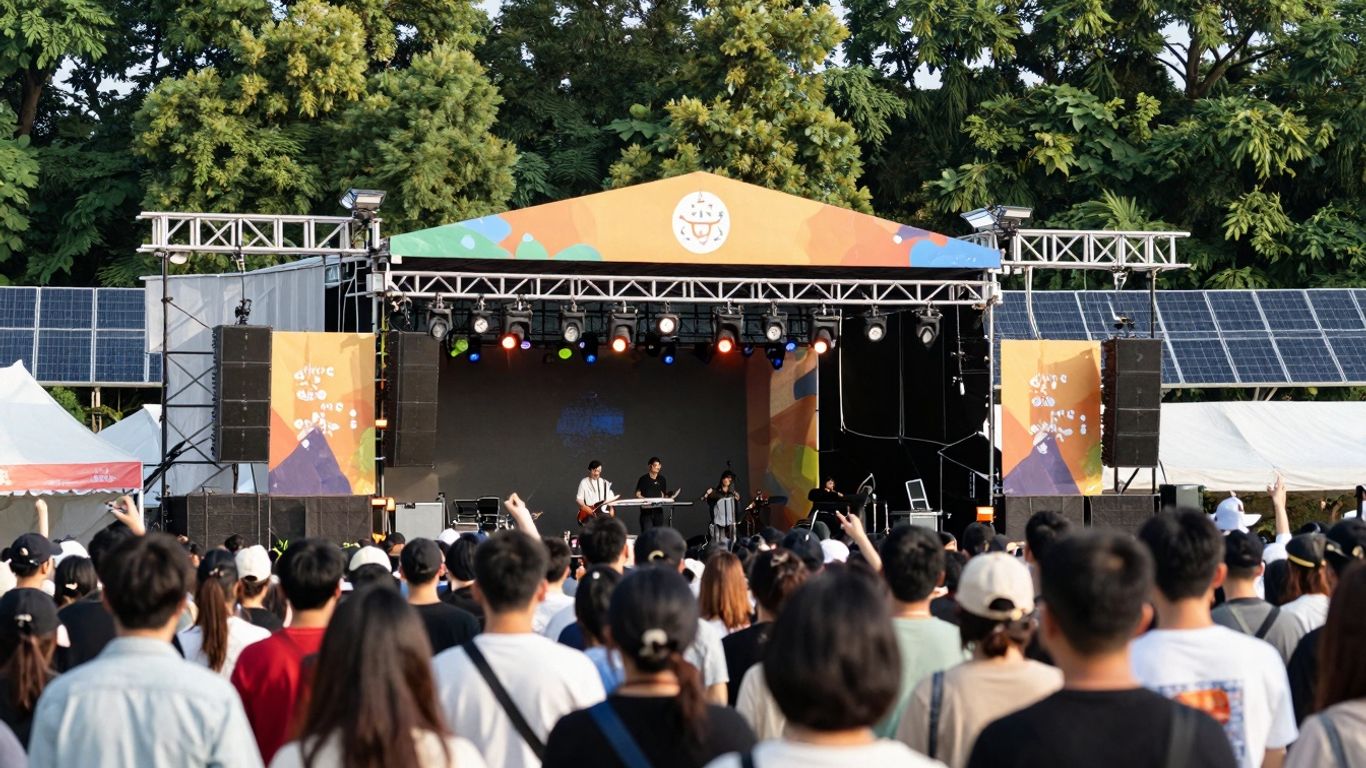
When planning an event, thinking about how much power it’s going to use is a big deal. It’s not just about the electricity bill; it’s about the planet, too. We can actually make events way more eco-friendly by being smart about energy. This means looking at everything from the lights to the temperature control and even where the power comes from.
Implementing Energy-Saving Lighting Solutions
Lighting can eat up a surprising amount of energy. Old-school bulbs are energy hogs. The good news is, there are much better options now. Think about using LED lights. They use way less power, like up to 75% less than what you might be used to. You can use them to highlight important spots like the registration area, the main stage, or any product displays you might have. It makes things look good and saves energy at the same time. It’s a win-win.
Utilizing Smart Climate Control Systems
Keeping a venue at a comfortable temperature is important for guests, but it can also use a lot of energy. Many modern venues now have smart heating, ventilation, and air conditioning (HVAC) systems. These systems are pretty clever. They can adjust the temperature based on how many people are in the room and what the outside weather is like. This stops the system from running at full blast when it doesn’t need to. It’s a good idea to talk to your venue early on about their climate control setup and see if you can set some targets, like keeping the temperature within a certain range, to cut down on energy use. Some venues can even track how much energy you’re using in your specific event spaces, which is great data for figuring out how to do better next time.
Exploring Renewable Energy Sources For Venues
Beyond the venue’s internal systems, we should also think about where the energy itself comes from. Are you able to find venues that use renewable energy sources? Things like solar or wind power are much cleaner than fossil fuels. Venues that have green certifications often have these kinds of systems in place or are committed to reducing their energy footprint. It’s worth asking about this when you’re booking. If a venue can’t run entirely on renewables, maybe they have options for using battery-powered equipment or even biofuels for any generators that are absolutely necessary. Using LED screens instead of projectors is another good move, as projectors tend to need more power.
Making smart choices about energy doesn’t just help the environment; it can also make your event feel more modern and efficient. It shows your attendees that you care about more than just the bottom line.
Here are some quick points to remember:
- Talk to your venue: Find out about their energy-saving features and see if you can set energy use targets.
- Choose LED lighting: It’s a simple switch that makes a big difference.
- Consider renewable energy: Ask venues about their power sources.
- Use smart tech: Look for venues with smart HVAC systems.
- Minimize generator use: If needed, opt for battery-powered or biofuel options.
Engaging Your Audience In Sustainable Practices
Getting people on board with your event’s green goals is key. It’s not just about what you do behind the scenes; it’s about making your attendees feel like they’re part of the solution. Think of it this way: you can set up all the recycling bins in the world, but if no one uses them, it doesn’t make much difference, right? So, how do we get everyone involved and excited about making our events better for the planet?
Communicating Sustainability Goals Clearly
First things first, you’ve got to talk about it. Don’t just assume people know what you’re trying to do. Start talking about your sustainability aims right from the get-go. Put it on your event website, mention it when people register, and include it in those confirmation emails. Be upfront and honest about what you’re aiming for and why it matters. This isn’t just about ticking a box; it’s about building a shared purpose.
- Be Transparent: Clearly state your sustainability objectives and the reasons behind them.
- Use Multiple Channels: Communicate through your website, registration forms, email confirmations, and social media.
- Explain the ‘Why’: Help attendees understand the positive impact their participation can have.
Making sustainability a visible part of your event’s narrative helps attendees connect with the mission on a personal level. It transforms passive attendance into active participation.
Incentivizing Eco-Conscious Attendee Actions
People respond well to a little nudge, especially when it comes to doing something good. Think about ways you can reward attendees for making greener choices. This could be as simple as offering a small discount on merchandise for bringing their own reusable coffee cup or water bottle. Or, for bigger events, consider offering a rebate on registration fees for those who can prove they used public transport or carpooled. It shows you value their effort and makes the sustainable choice the easier, more appealing one.
Here are a few ideas:
- Travel Rewards: Offer discounts or perks for attendees who use public transport, cycle, or carpool.
- Reusable Item Discounts: Provide a small discount at food or drink vendors for attendees using their own reusable cups or containers.
- Carbon Offset Contributions: Partner with a reputable organization to offer attendees the option to offset their travel emissions, perhaps with a small matching contribution from the event budget.
Inspiring Positive Environmental Change
Beyond the event itself, think about how you can use the experience to spark lasting change. Share success stories and highlight the collective impact your attendees made. Maybe you can partner with a local environmental charity and donate a portion of the event’s proceeds, or organize a small volunteer activity during the event, like a park clean-up. The goal is to leave attendees feeling not just entertained, but also inspired to incorporate more sustainable habits into their own lives long after the event is over. This ripple effect is where the real magic of sustainable event entertainment happens.
Measuring And Demonstrating Sustainable Success
So, you’ve put in the work to make your event greener. That’s awesome! But how do you actually know if it made a difference? It’s not enough to just do sustainable things; you’ve got to track it and show people the results. This is where measuring and demonstrating your success comes in. It’s about looking at the numbers and the feedback to see what worked and what could be better next time.
Collecting Data On Environmental Impact
This is where you get down to the nitty-gritty. You need to gather solid information about how your event affected the environment. Think about the big stuff like waste, energy, and emissions. The more data you collect, the clearer the picture of your event’s footprint becomes.
Here are some key things to keep an eye on:
- Waste Diversion: How much trash did you actually create, and how much of it got recycled or composted instead of going to a landfill? Compare this to previous events or industry averages. A good target might be to divert 70% or more of your waste.
- Energy Consumption: Did you use less electricity or gas this year? Track the kilowatt-hours or therms used. If your venue has smart meters, use that data. Even a small reduction shows progress.
- Carbon Footprint: This can be tricky, but tools exist to estimate the greenhouse gases your event produced. This includes everything from attendee travel to vendor operations. Aim to reduce this number year over year.
- Water Usage: If water conservation was a focus, track how much water was consumed. This is especially important for events in water-scarce regions.
Utilizing Attendee Feedback For Improvement
Your guests are a great source of information. What did they notice? What did they like or dislike about your sustainability efforts? Surveys are your best friend here.
Ask specific questions like:
- Did you notice our efforts to reduce waste (e.g., composting bins, reusable cups)?
- How satisfied were you with the sustainable food and beverage options?
- Did our communication about sustainability goals influence your behavior during the event?
- Would you attend a similar event with these sustainability practices in the future?
Gathering feedback isn’t just about patting yourselves on the back; it’s about finding those blind spots. Maybe your recycling bins weren’t clearly marked, or perhaps attendees didn’t know about the water refill stations. This input is gold for making your next event even better.
Reporting On Achieved Sustainability Goals
Once you’ve got your data and feedback, it’s time to share it. This isn’t just for your internal team; it’s for your stakeholders, sponsors, and even your attendees. Transparency builds trust and shows you’re serious about this.
Consider a simple report that includes:
- Key Performance Indicators (KPIs): A quick summary of your main metrics (e.g., "Reduced landfill waste by 25%", "Achieved 80% waste diversion rate").
- Qualitative Successes: Highlight positive attendee comments or successful partnerships with local eco-friendly vendors.
- Challenges and Learnings: Be honest about what didn’t go as planned and what you learned from it. This shows a commitment to continuous improvement.
- Future Goals: Briefly outline what you aim to achieve at your next event. This keeps the momentum going.
Want to know if your event was a hit? We help you see how successful your event was, not just by how many people came, but by the lasting impression it made. We focus on what truly matters for long-term success. Ready to see how we measure up? Visit our website to learn more!
Wrapping It Up: Making Your Events Greener
So, we’ve talked a lot about making events better for the planet. It’s not just about looking good; it’s about doing good too. By picking places that care about energy, using decorations that don’t end up in the trash, serving food that’s sourced well, and thinking about how people get there, you can really make a difference. People notice when you try to be more eco-friendly, and honestly, it often saves money in the long run. Whether it’s a big conference or a small get-together, these green ideas are becoming the norm. Start small, pick one or two things to change for your next event, and build from there. It’s about making every event count, not just for your guests, but for the world around us.
Frequently Asked Questions
Why is it important for events to be eco-friendly?
Being eco-friendly at events is super important because our planet needs our help! Events can create a lot of waste and use a lot of energy. By planning events that are kind to the environment, we help reduce pollution, save resources like water and energy, and protect nature for the future. Plus, people really like events that show they care about the Earth!
How can I choose a venue that is good for the environment?
Look for venues that have special badges or certificates showing they care about sustainability. These places often use less energy, have good recycling programs, and try to save water. Sometimes they even use power from the sun or wind! Asking the venue about their green practices is a great first step.
What does ‘local sourcing’ mean for events, and why is it good?
Local sourcing means getting food, decorations, or entertainment from places near your event. This is great because it means less travel for these items, which cuts down on pollution from trucks and planes. It also helps support businesses and people in the community where your event is happening, making the event feel more special and real.
How can I reduce waste at my event?
You can cut down on waste by avoiding things that are used once and thrown away, like plastic cups or paper napkins. Instead, use reusable items or things made from recycled materials. Think about composting food scraps and recycling everything possible. Also, using digital invitations and programs instead of paper saves a lot of trees!
How can technology help make events more sustainable?
Technology can be a big help! Using LED lights uses much less electricity than old bulbs. Smart heating and cooling systems can adjust automatically to save energy. Digital screens can show information instead of printing flyers. Even apps can help attendees find public transport or share rides, reducing car use.
How do I know if my event was actually successful in being sustainable?
You can measure success by keeping track of things like how much trash you created, how much energy you used, and if you supported local businesses. Asking your guests what they thought about the eco-friendly efforts is also important. Sharing these results shows everyone that your event made a positive difference and helps you plan even better next time!